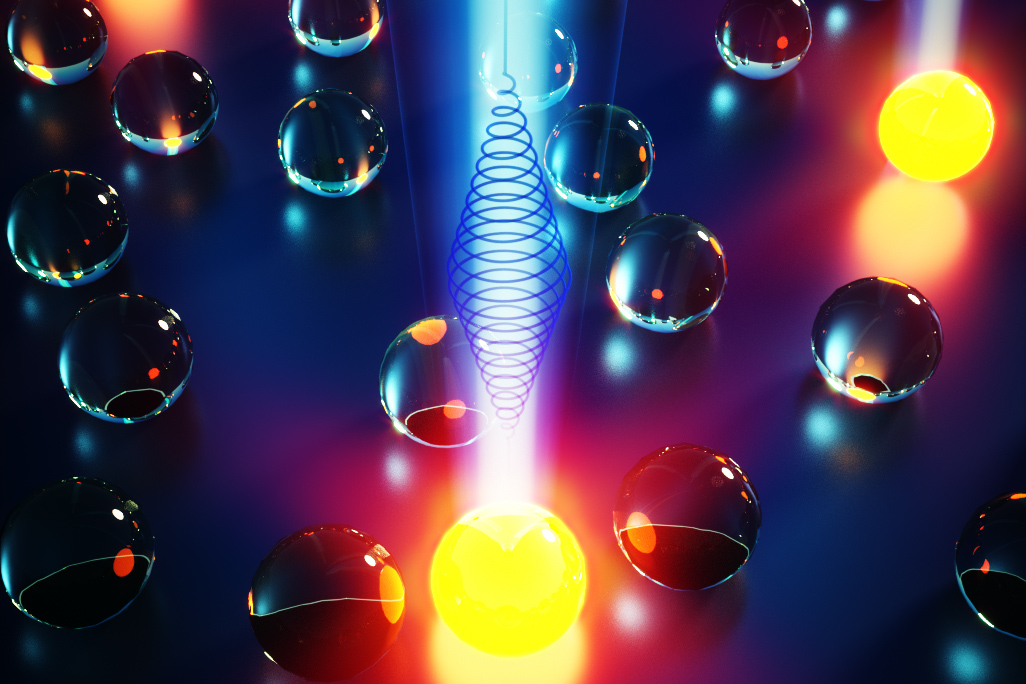
The Next Generation of Display Technology Has Arrived
The television display industry is on the cusp of a radical transformation. A breakthrough development from Massachusetts Institute of Technology (MIT) researchers has unlocked a new method to harness quantum dots for LED screens, achieving unprecedented levels of brightness and efficiency. This innovation promises to surpass current OLED and QLED technologies, delivering richer colors, deeper blacks, and significantly reduced power consumption.
How Quantum Dots Work and Why This Study Matters
Quantum dots are tiny semiconductor nanocrystals that emit light when stimulated by electricity or light. Their color output is determined by size – smaller dots produce blue light, larger ones red. Traditional quantum dot displays use a blue LED backlight to excite dots and create red and green pixels. MIT’s new approach eliminates efficiency losses by directly injecting electrons into the quantum dots, minimizing heat generation and boosting light output. The team demonstrated a 50% increase in brightness while cutting energy use by nearly 40% compared to conventional designs.

Real-World Benefits for Consumers and the Environment
For home theater enthusiasts, this means televisions that can render HDR content with stunning luminance without overheating or suffering from burn-in issues common in OLEDs. The enhanced power efficiency translates to lower electricity bills – a significant factor as large-screen TVs become more common. Moreover, the manufacturing process for these next-gen quantum dot LEDs is reportedly scalable, using solution-based printing techniques that could reduce production costs over time.
#### Key Advantages of the MIT Quantum Dot LED Design:
- Brightness: Up to 2x brighter than current QLED panels.
- Efficiency: Over 35% less power required for equivalent luminance.
- Color Gamut: Covers over 95% of the Rec. 2020 color space.
- Durability: No organic materials means no burn-in degradation.
- Eco-Friendly: Lower energy consumption reduces carbon footprint.
What This Means for the Smart TV Market
Major display manufacturers are already exploring how to incorporate this new architecture into commercial products. If MIT’s design can be mass-produced, we could see ultra-bright, energy-star-rated TVs hitting the market within three to five years. The implications for virtual reality headsets and large-format digital signage are equally promising, where bright, efficient micro-LED arrays are highly desirable.
While you wait for these revolutionary screens to arrive, ensure your current devices are protected with the right tools. Streaming high-quality content often requires a stable, secure internet connection. For enhanced privacy and to bypass bandwidth throttling from internet providers, a reliable Virtual Private Network (VPN) is a wise investment.
The Road Ahead: Challenges and Timeline
Scaling laboratory innovations to factory floors always presents hurdles. The MIT team must demonstrate consistent yield rates and long-term stability under real-world usage conditions. Additionally, the cost of cadmium-free quantum dots (which are preferred for environmental regulations) needs to be competitive. Nonetheless, this research lights the way for a new era of display technology that delivers both breathtaking visual quality and eco-conscious operation.
For tech enthusiasts and early adopters, the message is clear: the future of home entertainment is brighter than ever, and MIT has just turned up the wattage.
Memuat komentar...