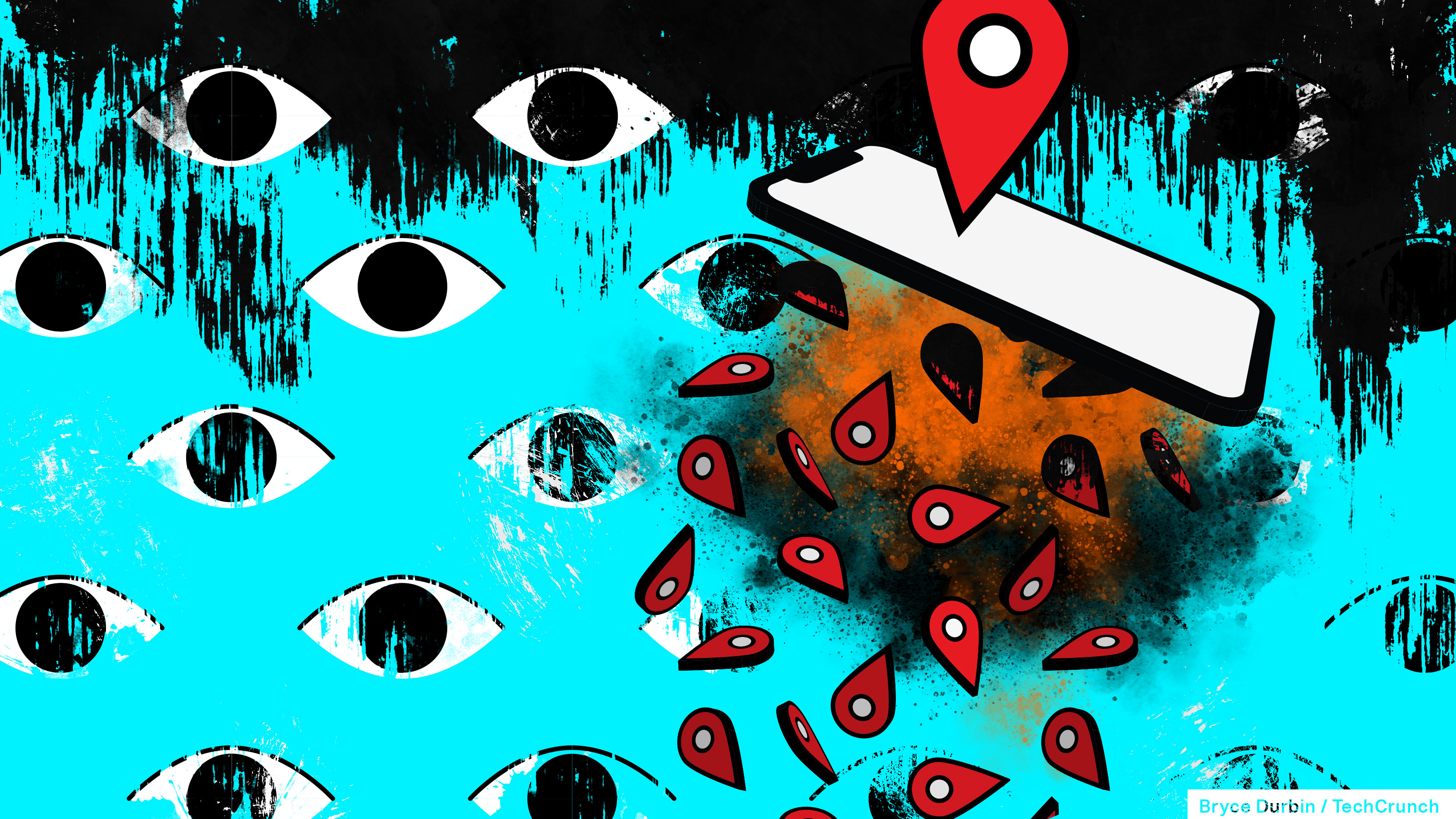
Tens of thousands of Android apps are quietly feeding your location to advertisers. The developers who built them? They're often in the dark. It's a hidden pipeline that's been running for years — and it's getting worse.
Here's how it works. A developer wants to add a feature — maybe a weather app that shows local conditions, or an AR game that places virtual objects on real streets. They integrate a third-party SDK from a company like Google, Facebook, or a smaller ad network. The SDK asks for location permission. The developer thinks, "Sure, the app needs it." But the SDK doesn't just use it for the feature. It fires off your precise GPS coordinates every time the app is open.
Worse, many of these SDKs collect location data even when the app is in the background. A flashlight app shouldn't need your location. But it probably has an ad SDK that does. And the developer? They might never look at the code. They just trust the SDK documentation — which often buries the data collection details in fine print.
The scale is massive. One in three free Android apps shares location data with at least one ad network. Some apps transmit location hundreds of times per day. That's a detailed map of where you live, work, sleep, and socialize — all packaged and sold to the highest bidder.
For AR developers, the problem is especially acute. Augmented reality apps need camera and location to overlay digital objects. But the same permissions that enable a Pokemon Go are also perfect for surveillance. Ad networks know exactly where you're standing when you catch that virtual creature. They build profiles. They sell them.
Google has tried to crack down. Android 11 introduced scoped storage and location permissions that only last while the app is in use. But developers can still request "always" permission. And many do. The ad SDKs urge them to. "For a better ad experience," they say.
What can you do? Turn off location for apps that don't need it. Use the "only while using the app" setting. Check your Google Account's location history. And consider using a VPN or a privacy-focused browser. But the real fix has to come from developers. They need to audit their SDKs. They need to refuse to bundle code that harvests data without clear consent.

The irony? Most developers are not malicious. They're just trying to make money. Free apps need ads. But the ad industry has built a system that rewards surveillance. Until developers start asking hard questions — and users demand transparency — your location will keep leaking.
So next time you download a free Android app, ask yourself: does this really need to know where I am? And if you're a developer, check your build.gradle. You might be surprised what's inside.
Memuat komentar...