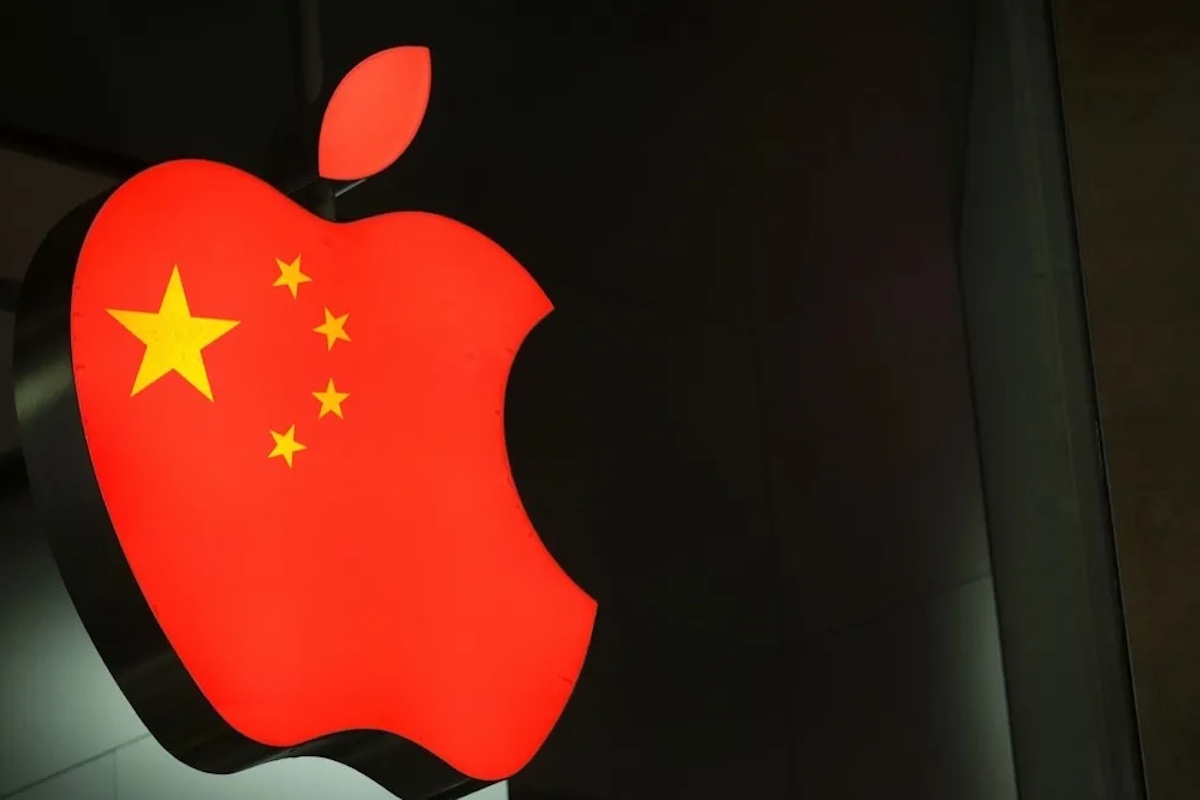
Apple Intelligence Clears Regulatory Hurdle in China, But EU Remains a Challenge
Apple's ambitious artificial intelligence platform, Apple Intelligence, has officially secured regulatory approval from Chinese authorities, signaling a green light for its debut in the world's largest smartphone market. The move marks a significant win for Apple as it navigates complex global regulations, but the launch in the European Union remains stalled due to stringent digital laws.
What Is Apple Intelligence?
Apple Intelligence is the company's next-generation AI suite, integrating advanced generative AI capabilities across iPhones, iPads, and Macs. Features include enhanced Siri voice commands, on-device text and image generation, intelligent photo editing, and personalized context-aware suggestions. Unlike cloud-based competitors, Apple emphasizes on-device processing to protect user privacy, a key selling point.
China's Approval: A Boost for Local Market Share
China's regulatory nod came after Apple agreed to comply with local data security and privacy requirements, including storing user data on servers within China and allowing government audits. This approval allows Apple to roll out the AI features to its massive user base in China, potentially boosting device sales and service revenue. Industry analysts suggest the move could help Apple regain momentum in a market where it faces fierce competition from domestic brands like Huawei.
EU Roadblocks: The DMA and AI Act in Focus
In contrast, Apple Intelligence remains unavailable in the European Union. The delay stems from the EU's Digital Markets Act (DMA) and the upcoming AI Act, which impose strict rules on interoperable services, data handling, and algorithmic transparency. Apple has been in discussions with European regulators to adapt its AI features to meet these requirements, but no timeline has been announced. The EU's rigorous stance on user consent and data portability has forced Apple to rethink its integration strategies.
What Users Can Do While Waiting
For users outside China eager to experience Apple Intelligence, using a secure VPN can help protect privacy while accessing global services. A premium VPN not only encrypts your internet connection but also allows you to connect to servers in regions where the AI features are available. However, users should always comply with local laws.
The Road Ahead
Apple is expected to eventually resolve the EU impasse, possibly by offering a modified version of Apple Intelligence that aligns with European regulations. Meanwhile, the China launch is set within weeks, bringing generative AI capabilities to millions of users. The split timeline highlights the growing complexity of launching AI features across different regulatory environments.
Memuat komentar...