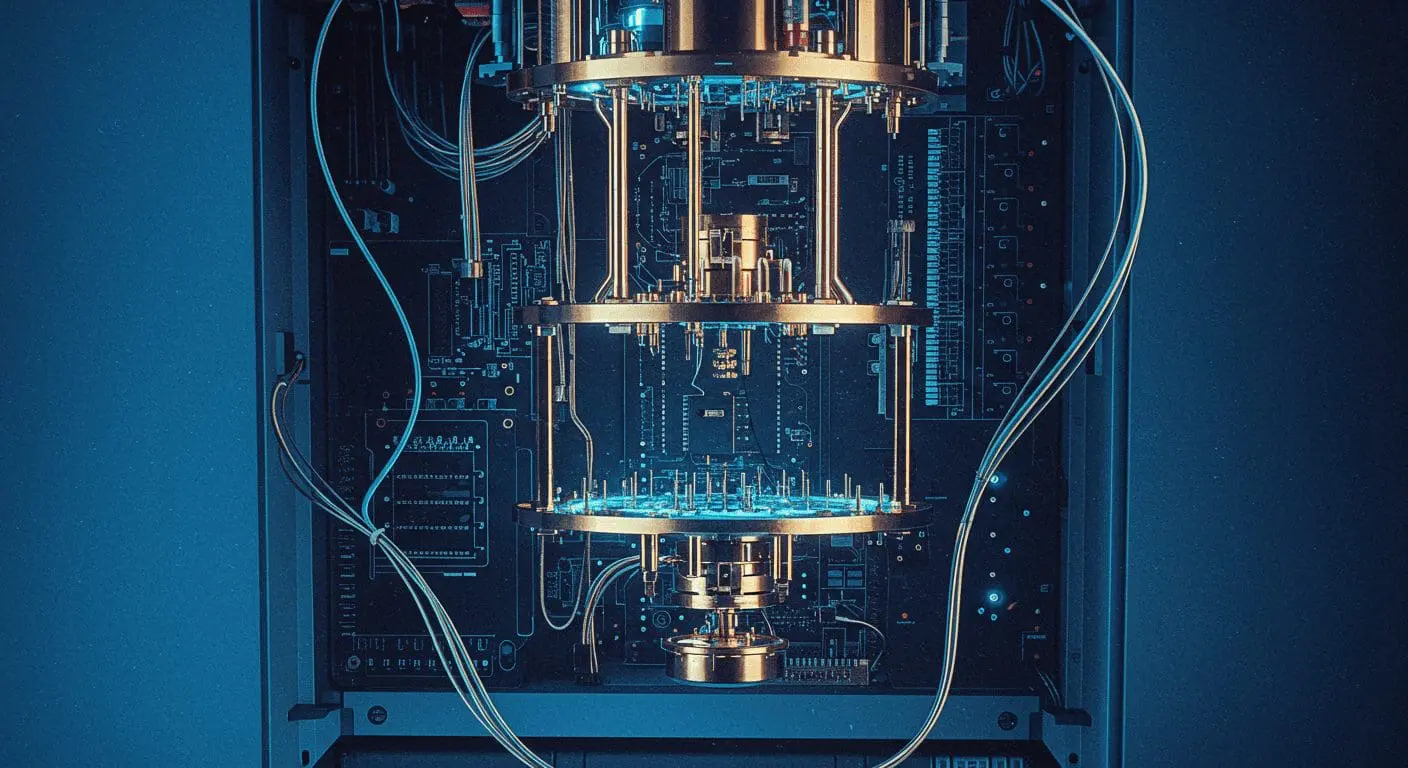
Quantum computers just handed classical machines a decisive loss. Not once, not twice, but in experiments where accuracy actually mattered.
The numbers are staggering. Researchers at IBM ran a specific benchmarking task that would take a classical supercomputer roughly 10,000 years. The quantum processor completed it in under 200 seconds. And here's what changed everything — the team independently verified every single result. No guesswork. No cherry-picked data points. Auditable trails of each computation step.
This is the part people keep missing. Previous quantum supremacy claims drew criticism because nobody could confirm the outputs were correct. A machine that's fast but unreliable isn't a breakthrough — it's a curiosity. The trust gap between quantum and classical computing has always been the real bottleneck.
But that's shifting fast. Teams across multiple labs built verification protocols directly into their hardware architectures. Each qubit result gets cross-checked against redundancy checks before it's declared valid.
So what does this actually mean for us right now? Practical impact is still in early stages. Drug discovery pipelines benefit from molecular simulations that classical machines choke on. Financial risk models can analyze exponentially more variables in a fraction of the time. And cryptography? Both the attackers and defenders are paying attention.
A 2048-bit RSA key that would stump any classical system becomes vulnerable to a sufficiently capable quantum machine. That threat timeline keeps getting pushed closer.
Yet the real story isn't about breaking encryption. It's about trustworthy computation at a scale humanity has never truly seen before. When speed and accuracy travel together, the whole technological field changes character.
What happens when we can't tell the difference between a quantum answer and a human one? That question matters more than any speed record ever will.
Memuat komentar...