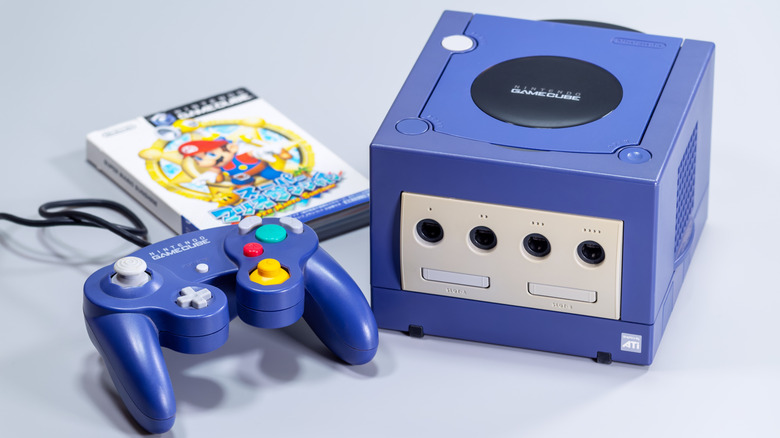
The Nintendo GameCube, a console that once lived in the shadow of the PlayStation 2, has undergone a remarkable transformation. For collectors and retro gaming enthusiasts, it has become a holy grail of sorts, with prices for its most coveted titles soaring into the hundreds, and sometimes thousands, of dollars. You might think you could stroll into any retro game store and find these classics, but the reality is starkly different: GameCube games are increasingly rare on physical shelves. Why the discrepancy between high demand and low availability? The answer is a mix of manufacturing history, market dynamics, and collecting culture.
The Perfect Storm: Low Sales & Limited Prints
To understand the scarcity of GameCube games, you first have to understand its commercial performance. The console sold just over 21 million units worldwide, a fraction of the PlayStation 2's 155 million. This smaller install base meant that publishers printed far fewer copies of their games. A low-selling run on a 'sleeping giant' platform became a ticking time bomb for future value. When a game like Cubivore or Gotcha Force only saw a limited release because it wasn't a mainstream hit, those few copies that were sold are now trapped in collections. This is the fundamental economic driver: low supply meeting exponentially growing demand.
The Disc That Ages Poorly (A Collector's Nightmare)
Another critical, often overlooked factor is the physical medium itself. GameCube games used a proprietary 8cm mini-DVD format. These discs are notorious for 'disc rot'—a degradation of the reflective layer that makes them unreadable. Unlike cartridges (like those used by the SNES or Game Boy Advance) which are generally robust, GameCube discs are fragile. Scratches, sun damage, and internal oxidation can destroy them. This has artificially shrunk the already limited supply of working copies. As more discs fail, the price of the remaining functional ones only climbs higher. This inherent fragility makes the hunt for a clean copy a stressful endeavor for any collector.
The Rise of the Online Marketplace
The final key piece of the puzzle is the shift in where collectors buy. A decade ago, a local retro store was your best bet for finding a bargain. Today, platforms like eBay, PriceCharting, and specialized forums have created a global, transparent price index. A local seller can instantly see a game's market value because the information is at their fingertips. This kills the 'bargain bin' era. If a store knows Fire Emblem: Path of Radiance sells for $250 online, they will price it accordingly, or send it to an online liquidator to capture the maximum profit. Consequently, the games bypass physical store shelves entirely or are priced so high that they become display pieces rather than accessible purchases.
How to Navigate the Expensive Market
If you're determined to build a GameCube collection without going bankrupt, you need a strategy. First, be patient and create a list of 'must-owns' versus 'nice-to-haves'. Many excellent games like Luigi's Mansion and Super Mario Sunshine are still relatively affordable compared to the ultra-rare titles. Second, focus on condition. A 'complete in box' copy commands a huge premium, but a 'loose disc' can be a smart entry point if you just want to play. Third, consider digital alternatives. Nintendo's current console line-up doesn't officially sell these classics, but you can emulate them safely on a PC. If you're buying from local sellers online, always ensure you're using a secure payment method and a VPN to protect your transaction data from snoopers on public Wi-Fi.

The Bottom Line: A Collector's Paradise, A Buyer's Gauntlet
The high cost and scarcity of GameCube games are not a temporary bubble; they are the natural result of a console that was underappreciated in its time. The small print runs, the fragile discs, and the efficiency of the online resale market have created a perfect storm for high prices. For serious collectors, the hunt is part of the appeal. For those just looking to play, it's often a frustrating barrier to entry. Whether you choose to save up for a physical copy or secure your saves with reliable software, understanding the 'why' behind the price tag makes the hobby a little more rational.
Memuat komentar...