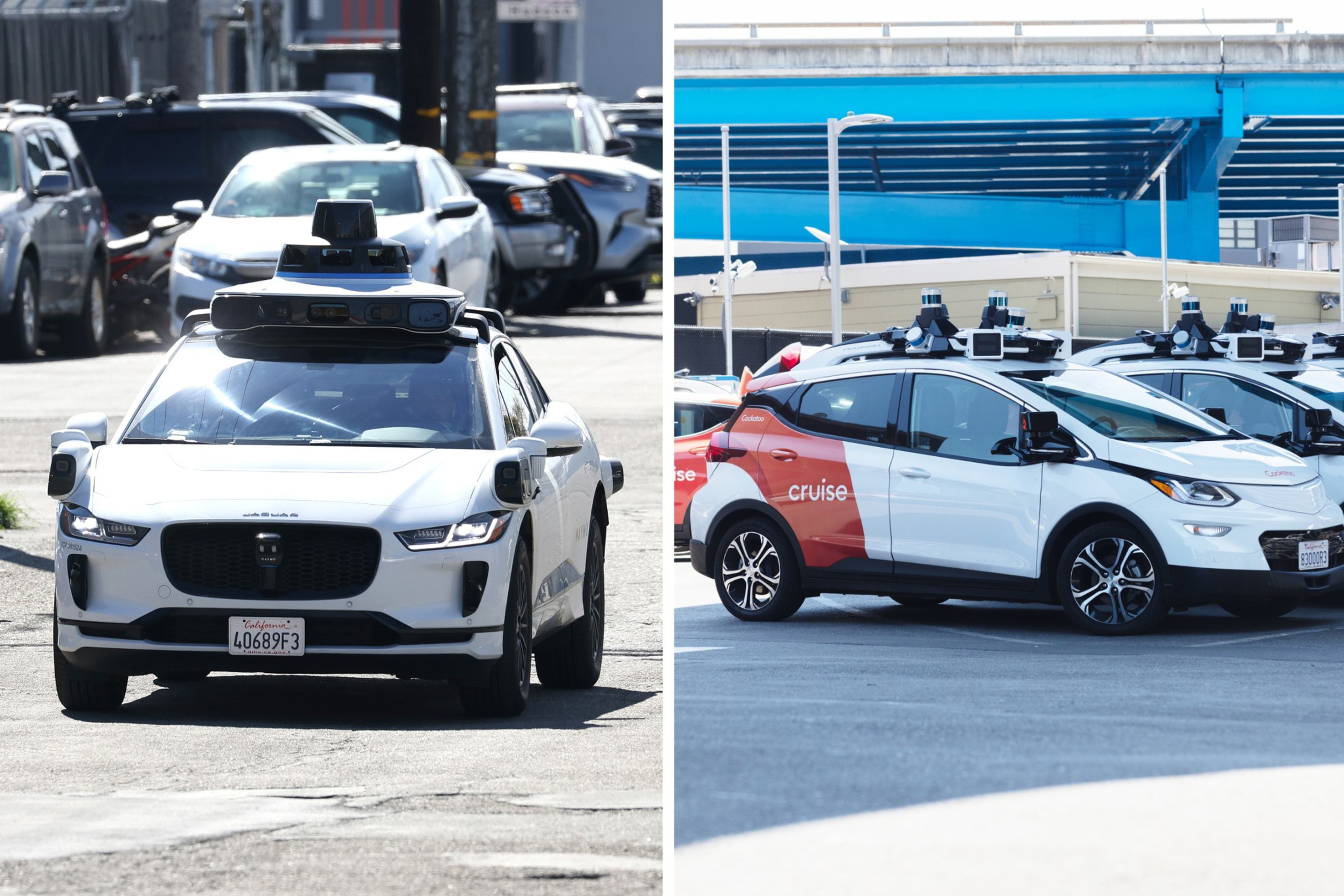
Waymo just flipped the switch on its robotaxi service in a new city. Cruise? It's parked its entire fleet after a string of incidents. Two roads diverged — and the robotaxi industry is now watching which one leads anywhere.
It wasn't supposed to be this way. Both companies, backed by some of the deepest pockets in tech, were racing neck-and-neck. Waymo, born from Google's self-driving project, took a slow-and-steady approach. Cruise, under GM's umbrella, chased speed. They wanted to be first to launch commercial robotaxis at scale.
Now look at them.
Waymo is quietly expanding its ride-hail service in San Francisco, Phoenix, and just added Los Angeles. No big fanfare. They're still using safety drivers in some areas, but the service is real. People are booking rides. The cars are actually making money — not much, but it's revenue.
Cruise had its own moment. In 2023, they were running driverless taxis in San Francisco, Austin, Houston. Then came the October crash where a pedestrian got dragged 20 feet by a Cruise robotaxi. California DMV pulled their permits. Within weeks, Cruise suspended all operations nationwide. The CEO resigned. Hundreds of contractors were laid off.
That's the fork. One road is measured expansion, incremental safety systems, and regulatory patience. The other is "go big or go home" — and it went home.
But here's the thing: both roads are still experimental. Waymo isn't profitable yet. It costs a fortune to build and maintain those sensor-laden Chrysler Pacificas. Their expansion is slow because they're not just throwing cars at a map — they're mapping every inch of new territory. Cruise tried to scale faster, but the technology wasn't ready. Or maybe the culture wasn't.
And then there's the third road — the one nobody talks about. Tesla keeps promising robotaxis. Elon says they'll be here next year. Every year. Meanwhile, companies like Zoox (Amazon) and Motional (Hyundai) are still testing, watching from the sidelines. Didi in China paused its robotaxi ambitions too.
So who's taking the right path? Waymo's approach seems safer, but safe doesn't always win. Remember Kodak? They were safe. Nokia was safe. The market punishes slow movers sometimes. But it also punishes reckless ones.
The real question isn't which company is ahead. It's whether the entire robotaxi bet is premature. The technology works — in controlled conditions. But the real world is messy. Construction zones. Cops waving cars around. Cyclists who ignore lanes. Weather that confuses LIDAR. And pedestrians who don't play by the rules.
Cruise's pause might be a reset, not a death. They're rebuilding under new leadership, rethinking their hardware and software. Waymo is proving that slow can work. But both are still losing money. Both are still a long way from replacing Uber.
Maybe the road to robotaxis has more than two lanes. Maybe it's a dead end for now. Or maybe — just maybe — the next big breakthrough is around the corner. A sensor that costs a tenth of today's. An AI that handles edge cases flawlessly. A city that decides to ban human drivers downtown.
Until then, the two roads diverged. And nobody knows which one leads to the future.
Memuat komentar...