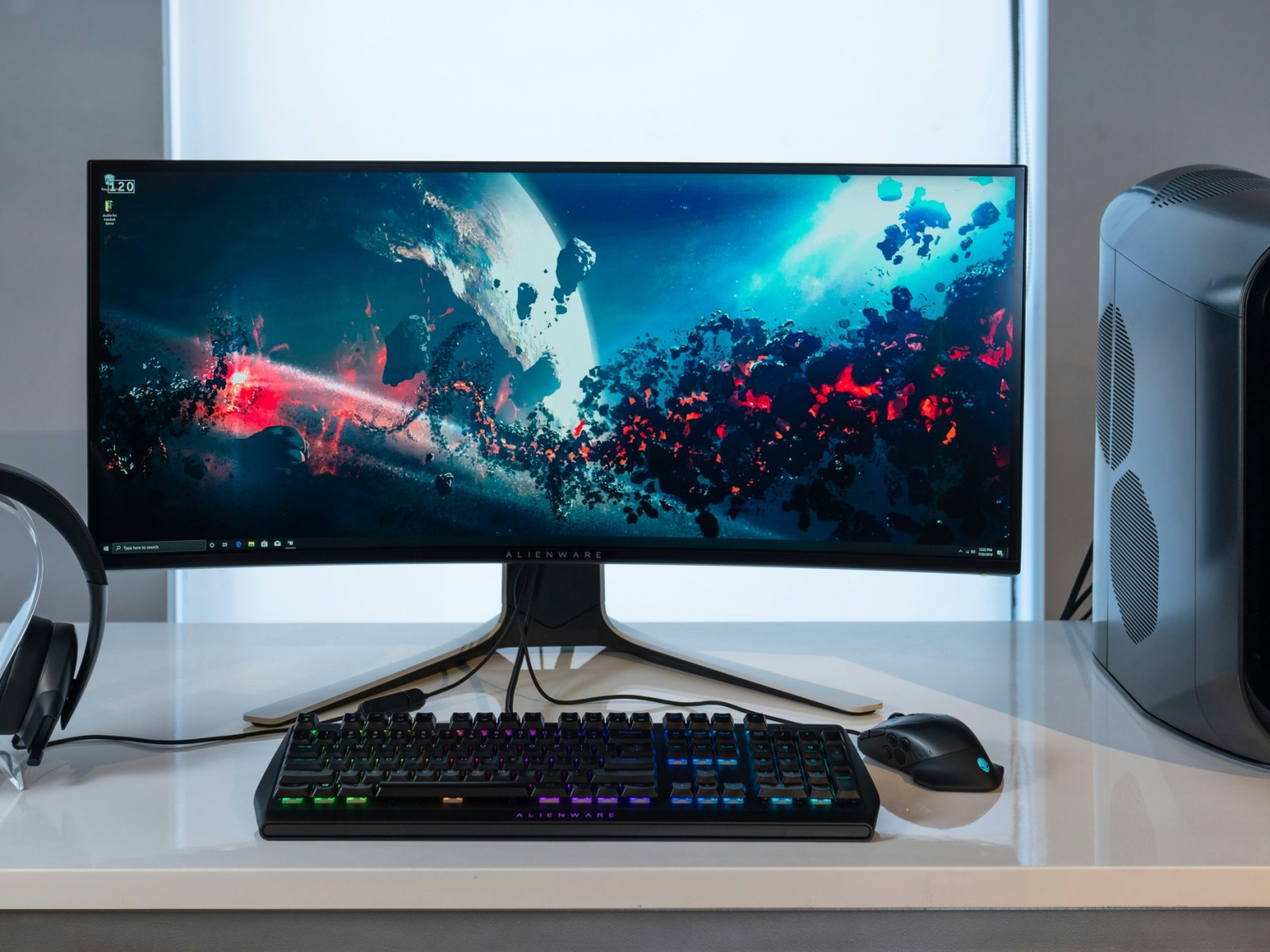
The landscape of PC gaming is undergoing a silent revolution. While raw graphics card power continues to climb, the most exciting advancements are happening in software-driven upscaling technologies. NVIDIA’s DLSS (Deep Learning Super Sampling), AMD’s FSR (FidelityFX Super Resolution), and Intel’s XeSS (Xe Super Sampling) have already reshaped how we play, balancing performance and visual fidelity. Now, with the next generation of these tools on the horizon, the implications for the entire gaming ecosystem are profound.
What’s Coming in the Next Wave
Each company is pushing its own approach. NVIDIA’s DLSS 4 is expected to build on the ray reconstruction and frame generation features introduced in DLSS 3.5, leveraging even more advanced AI models to deliver higher quality upscaling with less temporal artifacts. AMD’s FSR 4 is rumored to finally incorporate machine learning, moving away from the pure spatial algorithm of earlier versions, which could dramatically narrow the gap in image quality. Intel’s XeSS 2 is anticipated to add frame generation (XeSS-FG) and improved temporal stability, making it a more complete competitor. These are not mere incremental updates; they represent a fundamental shift in how GPUs handle rendering workloads.
What This Means for PC Gaming
The direct beneficiary is the gamer. With better upscaling, older or mid-range GPUs can deliver smooth 4K experiences that were once reserved for flagship cards. This democratizes high-fidelity gaming, extending the usable life of hardware and lowering the entry barrier for high-refresh-rate monitors. Game developers, too, gain flexibility: they can design for higher visual complexity, knowing that upscaling will handle the performance hit. The competition among NVIDIA, AMD, and Intel also spurs rapid innovation, bringing us features like real-time ray tracing in more titles.
Challenges and Considerations
Despite the promise, no technology is without trade-offs. Upscaling can introduce latency, especially with frame generation, and may produce artifacts in fast-moving scenes. The quality of AI-based upscaling depends heavily on training data, which means some games may look better than others. Additionally, reliance on upscaling could lead developers to optimize less for native resolution, potentially creating a dependency. Still, the industry is moving toward a hybrid rendering future where upscaling is a standard part of the pipeline, not a crutch.

The Road Ahead
As these technologies mature, we can expect deeper integration with game engines like Unreal Engine 5 and Unity. The next generation of FSR, XeSS, and DLSS will likely become as essential as anti-aliasing is today. For gamers, the message is clear: the best gaming experience no longer requires the most expensive GPU. Pairing a capable card with smart upscaling software can unlock silky-smooth frame rates and stunning visuals. To fully enjoy this future, ensure your system is secure and optimized — a reliable VPN not only protects your online sessions but can also help with region-locked content and reduce ping.
--- The war of upscaling technologies is a win for the PC gaming community. The next generation promises to deliver better image quality, higher performance, and longer hardware relevance. Whether you’re team green, red, or blue, the future looks sharper than ever.
Memuat komentar...