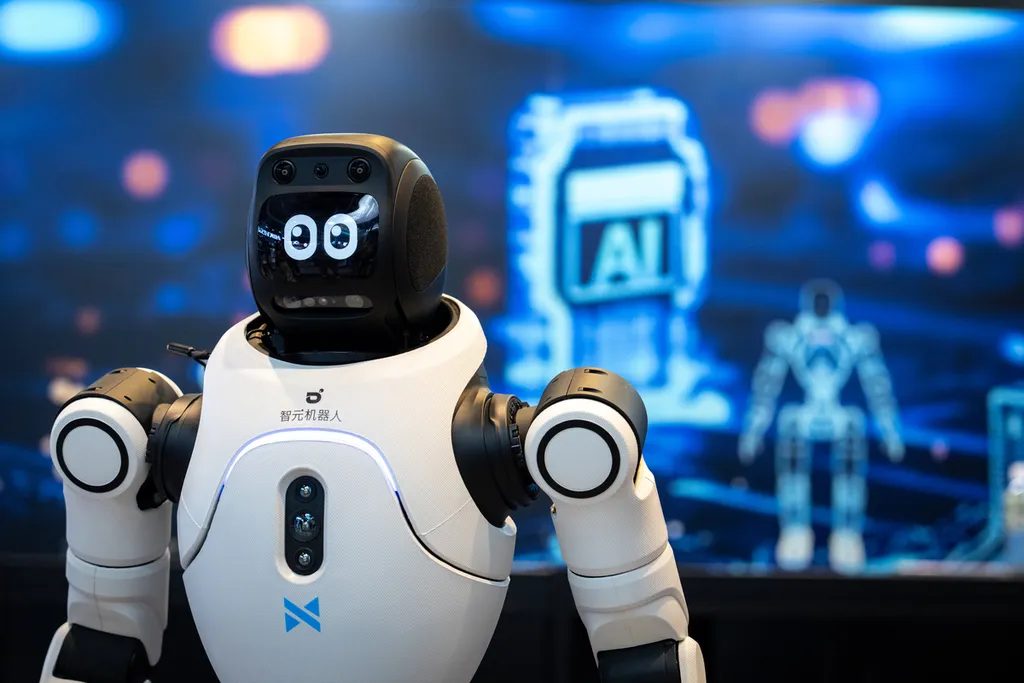
The New Era of Humanoid Robotics
The dream of human-like machines is rapidly becoming reality. In 2025, humanoid robots are no longer confined to science fiction or university labs—they are walking assembly lines, assisting in elder care, and even performing delicate surgical tasks. Companies around the world have unveiled prototypes that can run, jump, grip fragile objects, and hold conversations with near-human fluency. But with these advances come critical questions about safety, privacy, and the digital infrastructure needed to control them.
5 Game-Changing Developments You Need to Know
1. Real-World Dexterity and Mobility
Recent models demonstrate unprecedented agility. Bipedal locomotion has improved to handle stairs, uneven terrain, and sudden obstacles. Advanced hand actuators now allow robots to tie shoelaces, pour liquids, and use tools—skills that were once considered years away. This leap in dexterity opens the door for applications in manufacturing, logistics, and domestic service.

2. Conversational AI Integration
Humanoid robots are now equipped with large language models that enable natural, contextual dialogue. They can remember past interactions, understand emotional cues, and respond in multiple languages. This makes them ideal companions for the elderly or children, but also raises concerns about data retention and voice privacy.
3. Autonomous Decision-Making
With onboard edge computing and advanced sensor fusion, modern humanoids can navigate dynamic environments without human intervention. They can assess risks, avoid collisions, and make split-second decisions—critical for roles in disaster response or healthcare.
4. Swarm Coordination and Collaboration
Researchers have demonstrated teams of humanoids working together on complex tasks like assembling furniture or moving heavy objects. This swarm intelligence relies on secure, low-latency communication networks—vulnerabilities here could lead to coordinated malfunctions or malicious takeovers.
5. Consumer Affordability and Availability
For the first time, several companies have announced humanoid robots with price tags under $50,000, making them accessible to small businesses and even tech enthusiasts. As these devices become household items, securing the data they collect—from video feeds to biometrics—becomes a personal responsibility.
Why Security and Privacy Can't Be an Afterthought
Every humanoid robot is a networked computer on legs. It streams video, records audio, and stores usage patterns. If compromised, a robot could become a surveillance tool or a vector for ransomware. That's why experts recommend encrypting all robot communications and using a VPN when managing them remotely. A reliable VPN ensures that data traveling between your robot and your smartphone or cloud dashboard is shielded from eavesdropping and tampering.
The Road Ahead: Regulation and Ethical Design
As adoption grows, governments are drafting rules for certification, liability, and data protection. Manufacturers are embedding hardware security modules and requiring user consent for data sharing. But the pace of innovation often outstrips regulation. Staying informed and proactive about digital hygiene—like installing official firmware updates and using security tools—is essential for every robot owner.
Final Thoughts
The era of humanoid robots is here, bringing remarkable capabilities and equally significant responsibilities. By understanding the breakthroughs and taking simple steps to secure our digital lives, we can embrace this technology safely. Whether you're an early adopter or a curious observer, now is the time to learn how to protect your devices—just as you would any other connected gadget in your home.
Memuat komentar...