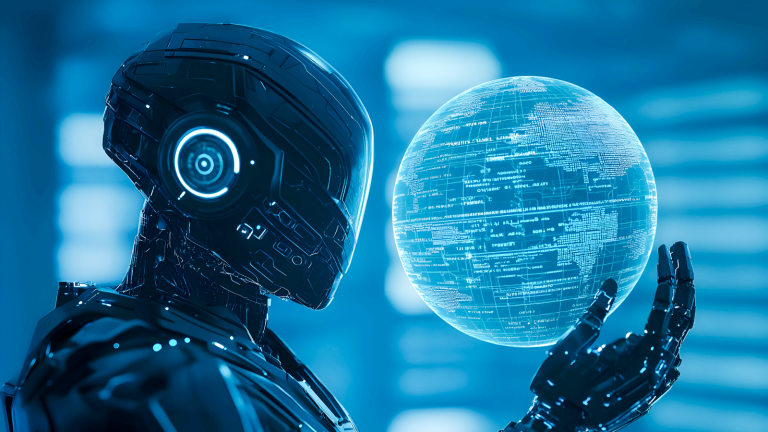
The Reality Check Behind the Humanoid Robotics IPO
The robotics industry has been buzzing with excitement as a prominent humanoid robotics company files for its initial public offering (IPO). However, the CEO has delivered a sobering message: don't expect a robot in your home anytime soon. This candid admission is a refreshing departure from the hype-driven narratives often associated with emerging tech IPOs.
What the CEO Actually Said
In a recent interview, the CEO emphasized that while the company's technology is advancing rapidly, the challenges of deploying humanoid robots in unstructured home environments remain immense. Safety, cost, and user acceptance are still significant hurdles. The company's immediate focus is on industrial and commercial applications where robots can operate in controlled settings—manufacturing floors, warehouses, and logistics centers.
Why This Matters for Investors
For investors looking at the IPO, this realistic outlook is actually a positive sign. It shows management is transparent about timelines and risks, which builds trust. However, the path to profitability is long. The company will need significant capital to continue R&D, and retail investors should be cautious. The robotics sector is capital-intensive, and many early-stage companies have failed to deliver.
The Role of Cybersecurity in Robotics
As robots become more connected, cybersecurity becomes a critical concern. From safeguarding proprietary algorithms to protecting data transmission between robots and cloud servers, a single vulnerability could compromise entire systems. This is where tools like Virtual Private Networks (VPNs) and secure software platforms come into play. Robotics companies must invest in robust security architectures to protect their IP and ensure operational safety.

The Long Road to Home Robots
Despite the hype, the CEO's timeline for consumer adoption is measured in decades, not years. Home robots must navigate unpredictable environments, interact safely with humans, and be affordable. Current prototypes cost tens of thousands of dollars. For widespread adoption, costs must drop by 90% or more. Meanwhile, the company's IPO will provide the funding needed to continue iterating on hardware, software, and AI models.
What to Watch for After the IPO
Post-IPO, key metrics to track include progress on partnerships with industrial giants, improvements in battery life and dexterity, and any breakthroughs in cost reduction. The company's realistic stance may actually help it avoid the overvaluation pitfalls that plagued earlier AI and robotics IPOs. Savvy investors will look for steady progress rather than overnight miracles.
Final Thoughts
The humanoid robotics IPO is a milestone, but it's not a signal that robots are about to take over our homes. The CEO's honesty is refreshing and should be heeded. For those interested in the space, it's an opportunity to get in early on a long-term technology play—but only if you're prepared for a marathon, not a sprint. And as always, ensure your digital life is protected with a reliable VPN and secure browsing practices, especially when researching investments online.
Memuat komentar...