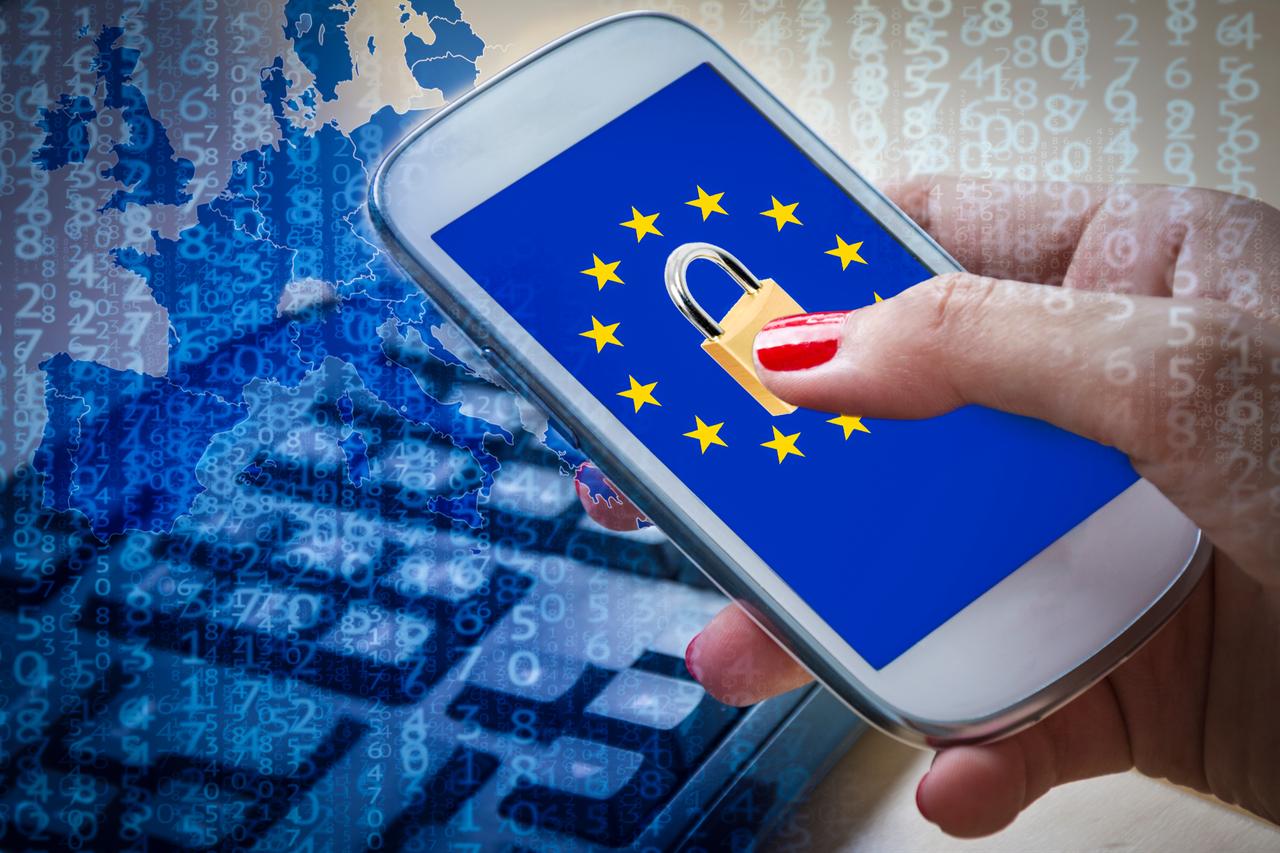
In a landmark move to safeguard minors in the digital space, the European Union has finalized a sweeping set of rules that will compel social media platforms to introduce mandatory limits for teenage users. These regulations, built on the foundation of the Digital Services Act and the updated General Data Protection Regulation, aim to curb the growing concerns over online addiction, mental health deterioration, and data exploitation among adolescents.
Why These Limits Are Necessary
Europe has long been at the forefront of digital rights, and the new measures are a direct response to mounting evidence that excessive social media use harms young people's cognitive development, sleep patterns, and self-esteem. Studies have shown that algorithmic amplification of content can lead to anxiety, depression, and even risky behaviors. The EU intends to shift the responsibility from parents and teens back to the platforms themselves, making safety a default feature rather than an optional setting.
Key Provisions of the New Rules
- Default Privacy Settings: All accounts held by users under 18 must be set to private by default, limiting who can see their posts and contact them. Platforms cannot override this without explicit parental consent.
- Restricted Recommendation Algorithms: Personalized feeds based on extensive profiling are banned for minors. Instead, platforms must provide chronological or context-based content streams.
- Screen Time Limits: Social media apps will be required to send regular break reminders and enforce a maximum daily active usage threshold (likely 60 minutes) for teen accounts, with the ability for parents to adjust the limit.
- Age Verification: Platforms must implement robust age estimation or verification systems, using privacy-preserving methods such as behavioral analysis or official ID checks, to prevent younger children from accessing age-inappropriate content.
What This Means for Social Media Giants
Companies like Meta, TikTok, and Snapchat will need to overhaul their onboarding processes, content moderation systems, and advertising models in Europe. Non-compliance could result in fines of up to 6% of global annual turnover. The industry is already preparing for these changes, with some testing new features like "teen accounts" with built-in restrictions. However, critics argue that these measures may give a false sense of security and that enforcement will be challenging.
How Parents and Teens Can Prepare
While the regulations are a significant step forward, parents should also take proactive steps to ensure their children's online safety. Using a reliable VPN can help protect your family's privacy when browsing, and dedicated parental control software can monitor screen time across all devices. These tools complement the new platform-level restrictions and provide an extra layer of security.
The Global Ripple Effect
Europe's move is likely to inspire similar legislation in other regions, including the United States and parts of Asia. Australia, for instance, recently announced a ban on social media for children under 16. Technology companies may ultimately standardize these safety features worldwide to simplify compliance, meaning teens everywhere could benefit from these protections.
The EU's new social media limits for teens represent a paradigm shift in how we approach child safety online. By forcing platforms to design with protection in mind, the regulation acknowledges that the burden of guarding young users should not fall solely on parents. As the rules take effect over the next 12 to 18 months, European teens will enjoy a safer, less addictive digital environment—and the rest of the world will be watching closely.
Memuat komentar...