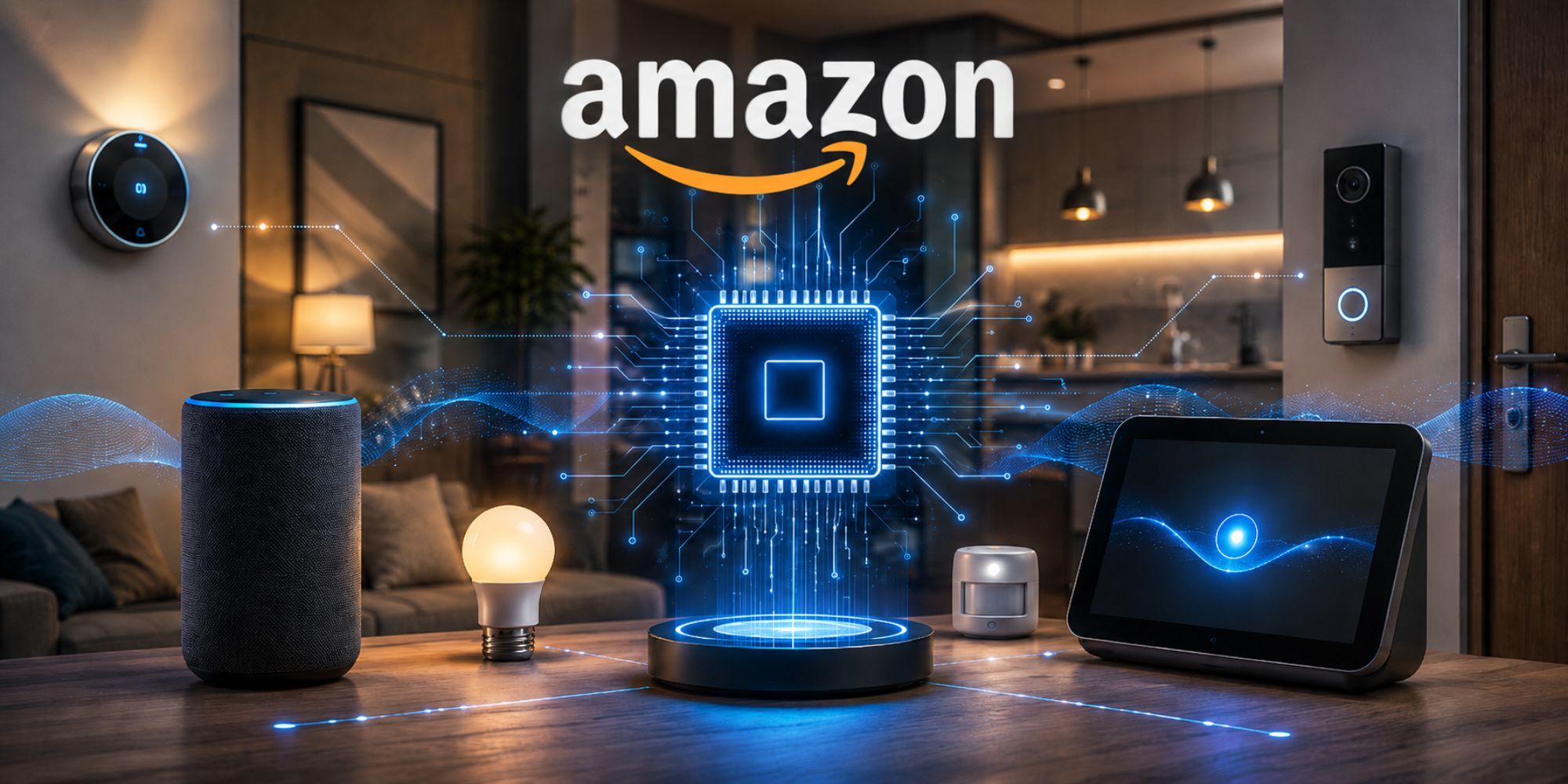
Amazon Pushes Custom Silicon Into the Home
The e‑commerce giant has moved beyond off‑the‑shelf processors by rolling out its own AI accelerators tailored for voice‑first devices, video doorbells, and streaming hubs. By designing the tensor engines in‑house, Amazon can fine‑tune power consumption and inference speed for the exact workloads that run on Alexa, Ring, and Fire OS.
Core Architecture Highlights
- Dedicated tensor cores optimized for natural‑language processing and computer‑vision tasks.
- Unified memory subsystem that reduces data movement between CPU and accelerator.
- Low‑power idle states enabling always‑on listening without draining battery‑operated gadgets.
- Secure enclave for on‑device encryption of voice recordings and video streams.
Impact on the Smart Home Ecosystem
With the new silicon, Echo speakers can handle multi‑turn conversations locally, cutting cloud round‑trips and improving privacy. Ring cameras gain real‑time object detection, enabling faster alerts for package deliveries or unexpected motion. The unified chip also simplifies firmware updates, as a single binary now services the entire product line.
Looking Ahead: Mobile and Wearable Form Factors
Engineers indicate the same architecture scales down to a 5 nm package suitable for future Fire tablets and a rumored Amazon‑branded smartphone. Early benchmarks show a 2.3× boost in on‑device ML throughput compared with the previous generation, opening the door for advanced AR features and offline translation.

Securing the Expanded Attack Surface
As more intelligence moves to the edge, protecting data in transit becomes critical. Deploying a reputable VPN on the home router encrypts traffic between devices and the cloud, while a premium endpoint security suite adds behavioral analytics to spot anomalous firmware behavior. Regular patching and network segmentation further reduce risk.
Memuat komentar...