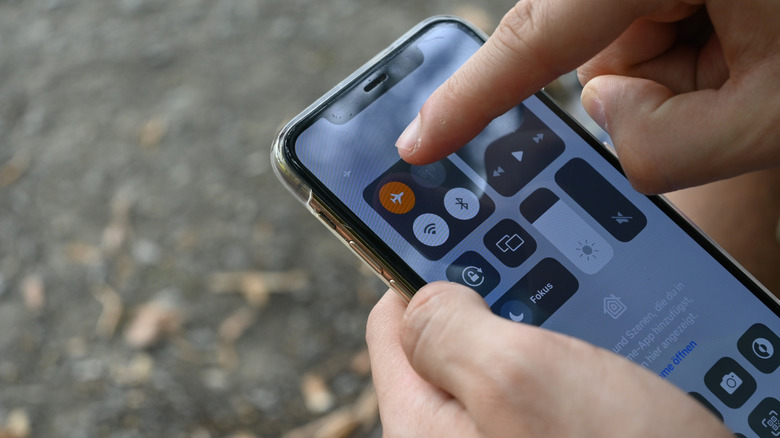
The Charging Myth That Won't Die
You've probably heard the tip before: flip on airplane mode to supercharge your phone's battery speed. It's a piece of advice that has circulated tech forums for years, and on its face, the logic is sound. When your phone stops pinging cell towers, scanning for Wi-Fi networks, and syncing background data, power consumption plummets. That saved energy can indeed go straight into the battery, shortening the time it takes to hit 100 percent. Benchmarks confirm a difference of roughly 15 to 20 percent, which sounds like a decent shortcut when you're in a rush.
The Hidden Cost of Going Offline
But here's the critical question: is a few extra percentage points of charging speed worth completely cutting yourself off from the world? When you activate airplane mode, you lose the ability to receive calls, text messages, push notifications, and mobile data. That means no urgent family messages, no work emails, no real-time navigation, and no way to summon an emergency contact. A recent survey found that the average user checks their phone over 90 times a day; most of those interactions are driven by notifications. Disabling that entire ecosystem for a 20-minute faster charge feels increasingly impractical in a hyper-connected society.
Real-World Charging Data vs. Convenience
Let's put some numbers to the trade-off. In controlled tests, charging a modern flagship phone from 20 to 80 percent with airplane mode enabled can save roughly 8 to 12 minutes compared to standard charging. That's the golden zone of battery charging. However, if you need to make an urgent call or receive a critical message during that window, you either have to disable airplane mode—defeating the whole point—or miss the communication entirely. For most users, the risk of missing a delivery notification, a time-sensitive work message, or an important family call far outweighs the 10-minute speed bump.
A Smarter Way to Charge Faster
Instead of sacrificing connectivity, you can achieve similar or better results by upgrading your charging hardware. A high-wattage USB-C Power Delivery (PD) charger, combined with a certified cable, can push well over 30W of power into modern devices. This method yields faster overall charge times without interrupting your workflow. Additionally, activating battery saver mode or simply silencing unnecessary background app refreshes can cut power drain without disabling cell service. Here are a few practical recommendations:
- Use a 30W or higher PD charger for phones that support fast charging.
- Close heavy applications like games and video editors before plugging in.
- Reduce screen brightness while charging to conserve overhead power.
- Avoid using the phone for intensive tasks during the charge cycle.
The Verdict: Convenience Wins Over Speed
Ultimately, the airplane mode charging trick works, but the cost is your real-time connectivity. In an era when work, personal life, and emergency services depend on constant access, being unreachable for even 30 minutes isn't worth the marginal speed gain. The better path is to invest in quality charging accessories and adopt simple software tweaks that preserve connection while still charging efficiently. For most people, the 10 minutes saved aren't worth the lost calls, missed messages, and reduced awareness of their surroundings.
Your phone is a lifeline, not just a battery. Treat it that way.
Memuat komentar...