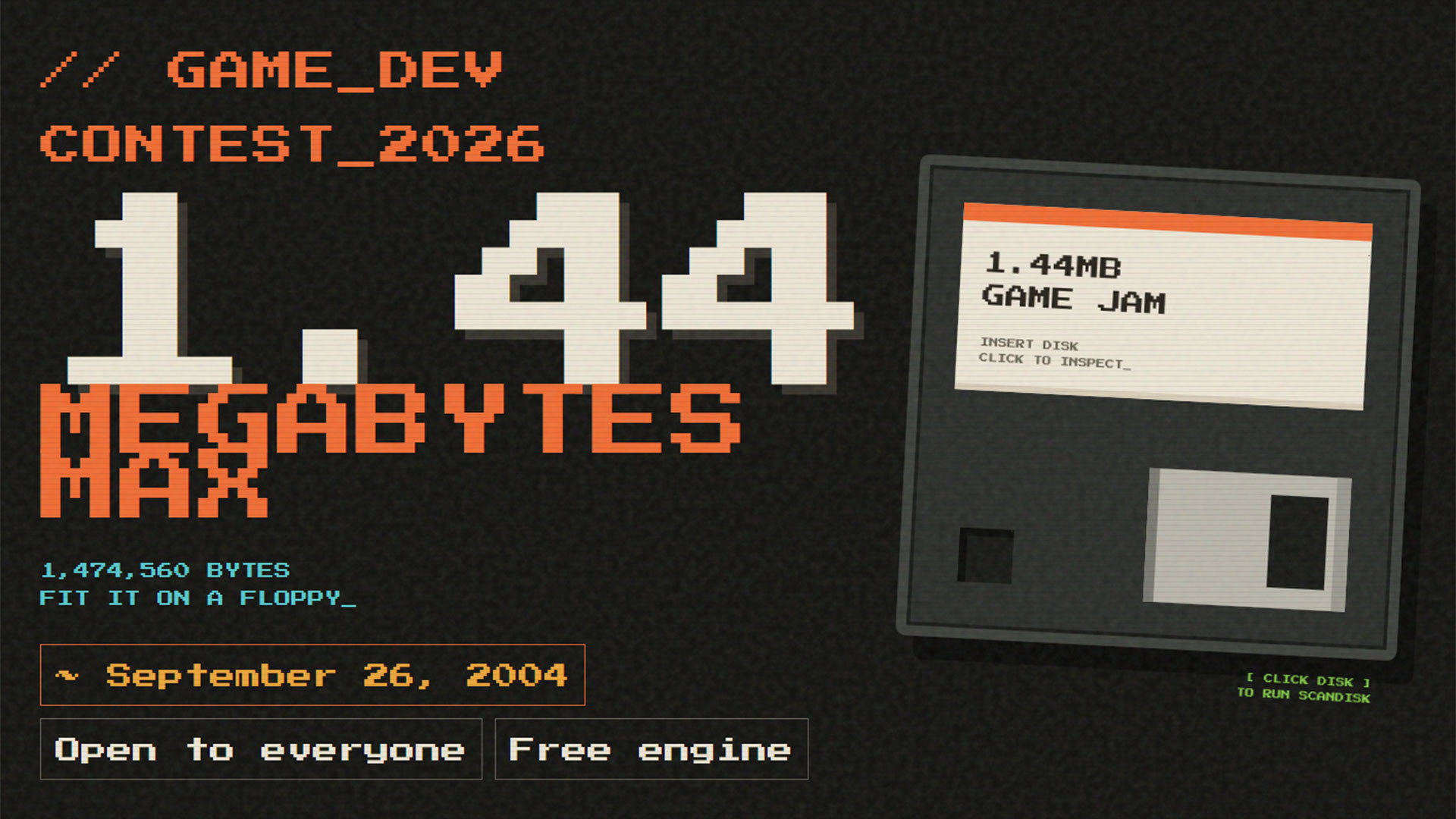
The Ultimate Space Challenge: A Full Game on 1.44 MB
In an era where AAA games routinely exceed 100 GB, a developer has reignited the spirit of programming minimalism by crafting a complete, playable game that fits entirely on a single 1.44 MB floppy disk. This challenge is not just a nostalgic throwback—it's a testament to the art of optimization and creative constraint.
Floppy disks were once the standard medium for software distribution, but their tiny capacity forced developers to be incredibly efficient. Today, recreating a full game within that limit requires cutting-edge compression techniques, clever code reuse, and ruthless prioritization of assets. The result is a game that delivers a satisfying experience while respecting the strict boundaries of 1990s hardware.
Technical Hurdles: Squeezing a Game into 1.44 MB
To fit a game into 1.44 MB, the developer had to consider every byte. Modern game engines and libraries are out of the question—they alone would exceed the disk's capacity. Instead, the game was built from scratch in assembly or C, using custom routines for graphics, sound, and input. Textures, if any, must be tiny (often 8-bit or 16-color palettes), and audio is typically limited to simple beeps or low-bitrate samples. The entire game logic, levels, and user interface must be meticulously coded to avoid waste.
Key techniques include:
- Procedural generation to create levels or assets on the fly instead of storing them.
- Shared resource pools to reuse sprites and sound effects across multiple contexts.
- Custom compression algorithms that can unpack data quickly without requiring much memory.
The developer likely used tools like DOSBox or a custom emulator to test the final build, ensuring it booted from a real floppy drive without errors.
Why This Challenge Matters Today
Beyond nostalgia, this exercise offers valuable lessons for modern game development. With the rise of indie games and the push for smaller download sizes on platforms like Steam and mobile, optimization is more relevant than ever. Big studios often rely on massive asset stores and bloated engines, but the floppy disk challenge proves that a lean, focused design can still deliver fun.
Moreover, it highlights the importance of data security—a topic rarely associated with retro computing. When downloading classic games from the internet, users must ensure they aren't exposing their systems to malware. Using a reliable VPN or antivirus suite is essential, especially when accessing abandonware sites.

The Broader Trend: Constraint-Based Creativity
The 1.44 MB game challenge is part of a larger movement where developers deliberately impose severe limitations to spark creativity. Similar challenges include the "JS13k" competition (games under 13 kilobytes) and the "PICO-8" fantasy console (with a 32k cartridge limit). These constraints force developers to focus on core gameplay rather than graphical fidelity, often resulting in innovative mechanics and charming aesthetics.
For the player, downloading and running a floppy disk game is a hands-on history lesson. It requires either a retro PC with a floppy drive or a USB floppy emulator—a niche accessory that has seen a resurgence among collectors. The experience of inserting a disk, hearing the drive click, and waiting for the game to load is a tactile pleasure that modern digital downloads cannot replicate.
The developer who managed to squeeze a full game onto a 1.44 MB floppy disk has not only created a piece of software but also a piece of art. It reminds us that the best games often come from the strictest budgets—whether measured in money or megabytes. As we continue to push the boundaries of hardware, looking back at these tiny triumphs can inspire a new generation of developers to do more with less.
For those interested in exploring this challenge, keep an eye on indie game forums and retro computing communities. And remember: when you download any retro game, always use a trusted VPN to protect your privacy and a solid antivirus to keep your system safe.
What do you think about this floppy disk challenge? Would you play a game that fits in 1.44 MB? Share your thoughts in the comments below!
Memuat komentar...